


Wedfit vs Non-Wedfit Rings: What's the Difference?
Learn the difference between wedfit and non-wedfit engagement rings and how each affects your wedding ring fit. Find the perfect setting for your bridal set.
A wedfit engagement ring can influence how your wedding ring sits alongside it in the future, making it an important consideration when choosing a setting. While some engagement rings are designed to allow a wedding ring to sit flush against them, others leave a small gap between the two rings when worn together.
This is where the terms wedfit and non-wedfit come in. The difference is simple: a wedfit engagement ring is designed so that a straight wedding band can sit flush against it, while a non-wedfit engagement ring is not.
Included in this article
What is a wedfit engagement ring?
A wedfit engagement ring is specifically designed to leave enough space for a straight wedding band to sit neatly alongside it. This means the wedding ring can sit flush against the engagement ring without being blocked by the setting or centre stone.
The centre diamond is often set slightly higher, or the setting is carefully shaped to create enough clearance beneath the stone, allowing a wedding band to sit comfortably beside the engagement ring while maintaining a close, seamless fit.

What is a non-wedfit engagement ring?
A non-wedfit engagement ring is designed without leaving enough space for a straight wedding ring to sit flush against it. When paired with a traditional wedding band, this often results in a small gap between the two rings.
Many non-wedfit designs feature low-set details, like a low collet, preventing a wedding band from sitting completely alongside the engagement ring. Hidden halos, basket settings, decorative galleries and lower-set centre stones are all common design features that can create this effect. For more information, take a look at our anatomy of an engagement ring guide.
While low profile engagement rings can limit the ability to wear a straight wedding band flush against the ring, they are often chosen for their understated appearance and practical everyday wearability.


What are the key differences between wedfit and non-wedfit rings?
The main difference between wedfit and non-wedfit engagement rings isn't usually how they look when worn on their own. Instead, it comes down to how the engagement ring will sit alongside a wedding ring in the future. Below, we'll explore the main differences between wedfit and non-wedfit rings.
| Feature | Wedfit | Non-wedfit |
|---|---|---|
| The straight wedding ring sits flush | Yes | No |
| Centre stone position | Typically higher | Often lower |
| Gap between rings | None | Often visible |
| Best-fitting wedding band | A standard straight band sits flush | A curved (shaped) band is needed to sit flush; a straight band will leave a gap |
| Overall appearance | Seamless bridal set | Distinct, layered look |
| Design flexibility | Slightly more limited | Often allows more intricate settings |
Neither option is inherently better than the other. Both wedfit and non-wedfit engagement rings simply offer different styling possibilities, allowing you to choose the look and fit that best suits your preferences.
Why choose a wedfit engagement ring?
Wedfit engagement rings are a popular choice for couples who already know they want their engagement ring and wedding band to sit seamlessly together. By allowing a straight wedding ring to fit flush against the setting, wedfit designs offer greater flexibility when it comes to choosing a wedding band.
A seamless bridal set
One of the biggest advantages of a wedfit engagement ring is the way it sits alongside a wedding band. With little or no visible gap between the rings, the finished bridal set can feel clean, balanced and intentionally designed to be worn together.
This seamless appearance creates a unified and more traditional look, helping the engagement ring and wedding ring feel like a coordinated pair rather than two separate pieces of jewellery. For those who prefer a classic and polished aesthetic, a wedfit design is often an appealing option.
More wedding band choices
Because wedfit engagement rings are designed to accommodate a straight wedding band, they can typically be paired with a wider variety of wedding ring styles. Traditional plain wedding bands, diamond-set wedding rings and many other straight designs can often sit comfortably alongside the engagement ring without requiring additional adjustments.
Rather than needing to consider shaped, curved, or bespoke wedding bands, many couples can choose from a broader range of classic designs while still achieving a flush fit – making the wedding ring selection process simpler.
Elevated centre settings
Many wedfit engagement rings feature higher settings to create enough space for a wedding band to sit neatly beneath it. This additional height allows the two rings to sit closely together without the wedding band being obstructed by the setting.
A higher setting can also create a more defined profile, helping to showcase the centre diamond from multiple angles. While setting height is largely a matter of personal preference, some people are drawn to the elegant appearance and added prominence that a slightly elevated centre stone can provide.
Our most popular wedfit engagement rings
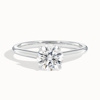
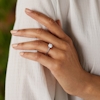
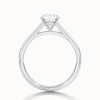

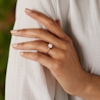





Why choose a non-wedfit engagement ring?
Non-wedfit engagement rings can be equally as popular as wedfit designs, often chosen because they prioritise specific design aesthetics or allow for lower, more intricate settings. While a straight wedding band may not sit flush against the engagement ring, many couples intentionally select these styles because they prefer the proportions, details and overall look they offer.
Lower-set designs for everyday wear
One of the main reasons people choose non-wedfit engagement rings is the appeal of a lower-set design. Low profile engagement rings sit closer to the finger, which can make them feel more comfortable and practical for everyday wear.
Because they are positioned nearer to the hand, these designs can feel more understated and are often less likely to catch on clothing or other objects. For those with active lifestyles or who prefer a subtle feel on the finger, this can make non-wedfit styles a more considered and practical choice.
Intricate setting designs
Many non-wedfit engagement rings feature detailed settings that naturally prevent a straight wedding band from sitting flush.
Design elements such as hidden halo engagement rings, basket settings and decorative galleries often extend beyond the ring shank, creating beautiful structural detail beneath the centre stone. Prioritising these design features can create a more distinctive and characterful design.
Distinctive ring set
Some couples intentionally choose the visual separation that a non-wedfit engagement ring creates when paired with a wedding band. Rather than sitting flush together, the two rings may have a small, intentional gap, allowing each piece to stand out individually within the bridal set.
Non-wedfit engagement rings can also be beautifully paired with shaped or curved wedding bands, creating a more tailored and personalised look. For those considering a fully custom design, bespoke engagement rings can also open up further options for achieving a unique bridal set that reflects individual style preferences.
Our most popular non-wedfit engagement rings


Wedfit vs non-wedfit rings: Which is right for you?
Neither a wedfit nor a non-wedfit engagement ring is inherently better than the other. The right choice depends on your personal style, how you want your wedding ring to sit alongside your engagement ring, and whether you are considering future additions to your bridal set.
Wedding band preferences
Your ideal wedding ring is often one of the most important influences when deciding between wedfit and non-wedfit designs. Wedfit engagement rings are typically best suited to those who want a straight, classic wedding band to sit flush against their engagement ring, creating a seamless pairing.
Non-wedfit engagement rings may require a curved wedding ring or a shaped design to sit neatly alongside the setting, or they may naturally create a visible gap between the two rings. Neither look is right or wrong, as both are widely chosen depending on the look and feel you prefer for your bridal set.
Lifestyle
How you wear your jewellery day to day can also be a deciding factor in your decision. Non-wedfit engagement rings with a lower profile often sit closer to the finger, which can make them feel more practical and comfortable for everyday wear. This can be particularly appealing for those with active lifestyles or jobs that involve working with their hands, as lower-set designs may be less likely to catch on clothing, equipment or everyday objects.
In comparison, wedfit designs often feature slightly higher settings to allow space for a wedding band to sit beneath the centre stone. While this can create a more elevated profile, it is still a comfortable and popular choice for many people.
Personal style
The visual difference between wedfit and non-wedfit designs often comes down to preference. Some people are drawn to the clean, uninterrupted look of a bridal set where both rings sit simultaneously together. Others prefer the contrast created by a small gap between the engagement ring and wedding band, which can make each piece feel more distinct.
Considering which overall aesthetic feels most aligned with your personal style can help guide you towards the right choice.
Preferred wedding ring style
Certain engagement ring designs naturally lean themselves more easily to one fit type over the other. Classic solitaire engagement rings and some halo settings are often designed with wedfit compatibility in mind, allowing a straight wedding band to sit closely against them. Hidden halo engagement rings, low-set styles and designs with more intricate basket settings are more commonly non-wedfit, due to their structural details and setting styles.
Future ring stacking
When choosing between wedfit and non-wedfit engagement rings, it's also worth thinking about whether you plan to add additional rings in the future, such as an eternity ring, anniversary band or additional stacking rings to mark special occasions and milestones. While both styles can work within a wider ring stack, you should consider how your set might evolve over time, which can help you influence a design that remains balanced and cohesive.
Setting height
Setting height often plays a role in whether a ring is wedfit or non-wedfit. Higher-set engagement rings typically provide the clearance needed for a straight wedding band to sit closely against the engagement ring.
Lower-set engagement rings tend to sit closer to the finger, which can create a more understated look but may limit the ability for a straight wedding band to sit flush. Understanding how setting height affects wedding ring compatibility can help you choose a design that suits both your aesthetic preferences and practical requirements.
Find your perfect bridal set with Queensmith
Understanding the difference between wedfit and non-wedfit engagement rings early in your search can help you make a more informed decision. While the distinction is relatively simple, considering how your engagement ring will sit alongside a wedding band can have a significant impact on the overall look and feel of your bridal set.
Neither option is better than the other. Some people prefer the seamless appearance of a wedfit engagement ring paired with a straight wedding band, while others are drawn to the unique proportions and design features often found in non-wedfit settings. Ultimately, the right choice comes down to your personal style, lifestyle and how you want your engagement ring and wedding ring to work together.
If you're unsure which option is right for you, visit one of our Queensmith showrooms to explore different engagement ring styles in person, or speak to one of our jewellery experts about designing an engagement ring that complements both your individual style and your future wedding band preferences.


Don't know where to start?
Online or in-person, our jewellery experts will guide you through every step – giving you the confidence to feel great about your ring.
Wedfit vs non-wedfit rings FAQs

Do you have additional questions? No problem, let us help you through the process
Neither a wedfit or non wedfit engagement ring is a better choice than the other. Some people love the seamless look of rings that sit closely together, while others prefer the distinctive appearance of a visible gap or a shaped wedding band. The right choice depends on your personal style, lifestyle and how you want your bridal set to look.
A straight wedding band tends not to sit completely flush against a non-wedfit engagement ring. This is because design features such as lower-set centre stones, hidden halos or decorative basket settings can prevent the wedding ring from sitting directly alongside the engagement ring. Many people choose a shaped or curved wedding band to achieve a closer fit.
Not all engagement rings are wedfit, but many designs can be adapted during the design process. Adjustments such as raising the setting height or altering the structure beneath the centre stone can sometimes create enough space for a wedding band to sit flush. If a flush fit is important to you, it's worth discussing this with your jeweller before choosing a design.
A wedfit engagement ring is not necessarily more expensive than a non-wedfit design. Pricing is usually influenced by factors such as the centre stone, setting style and overall craftsmanship rather than whether the ring is wedfit. However, choosing a wedfit design may offer greater flexibility when selecting a wedding band in the future.
Do you have additional questions? No problem, let us help you through the process
Become an expert
Read our comprehensive engagement ring guides and diamond advice to help you create the best engagement ring for you.


