


Lab Grown Diamonds
Our lab grown diamond jewellery features responsibly sourced, certified lab diamonds, offering the same brilliance and quality with greater transparency. Discover more about lab grown diamonds: what they are, how they're made and how much they cost – or our shop lab grown diamond collections.
Explore Our Lab Grown Diamond Collections


Explore Our Lab Grown Diamond Collections
Our Best-Selling Lab Grown Diamond Rings


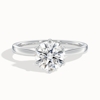
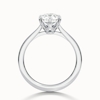


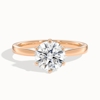
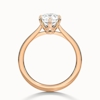

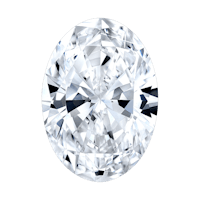


Lab Grown Diamond Earrings


Lab Grown Diamond Pendants




Don't know where to start?
Online or in-person, our jewellery experts will guide you through every step – giving you the confidence to feel great about your ring.
What are lab grown diamonds?
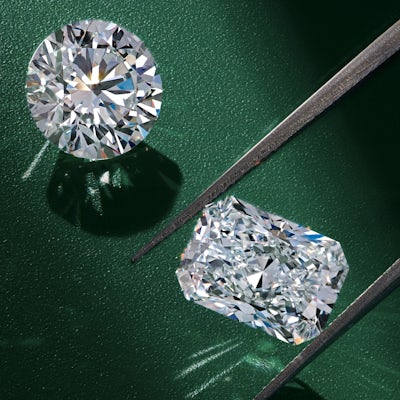
A loose lab grown diamond is a diamond created in a laboratory setting that emulates the natural process of a diamond’s growth. While it is visually, chemically and physically identical to a natural diamond, lab-created diamonds can cost up to 85% less and are considered a more sustainable option than mined diamonds.
Lab grown diamonds are often referred to as cultivated, man-made or even synthetic diamonds. They continue to grow in popularity with couples across the globe choosing lab diamonds for their engagement rings.
As an established Hatton Garden jewellers, we always ensure to have a selection of the best lab grown diamonds sourced for your specific budget to view. Book an appointment as your nearest showroom today.

Are lab grown diamonds real?
Yes, lab diamonds are 100% real diamonds, and are optically, chemically and physically identical to natural, mined diamonds. Lab diamonds have no physical differences from natural diamonds, and it is impossible to tell them apart without specialist laboratory equipment.
A lab diamond will also last just as long as a natural diamond. The makeup of a lab diamond is the same as a natural diamond – both measure 10 on the Mohs scale of hardness, making them the hardest natural substance on Earth. This makes them resistant to scratches, abrasions or breaking.
Grown by Queensmith™ is our range of sustainably rated diamonds, offering HPHT Diamonds with the best quality. We employ green energy as a component of all the energy supplied by our providers, who have the capacity to produce and supply green energy to their clients, in addition to the conventional energy sources offered by the common energy suppliers. We have also placed several hundred solar panels to power pressing engines and support equipment to promote sustainable production.
We want to give you, our customers, peace of mind while maintaining the highest standards of ethical and environmental responsibility.

How are lab grown diamonds created?
Essentially, the conditions of the Earth’s mantle are emulated in a laboratory. There are two techniques to create a lab diamond: HPHT (high pressure, high temperature) and CVD (chemical vapour deposition).
During HPHT, graphite (pure carbon) is exposed to intense heat and pressure via extreme electric pulses and pressed between pieces of metal, until the carbon melts and a diamond is born – this usually takes a number of days. To create CVD diamonds, a minuscule piece of existing diamond (usually created via HPHT) is treated with a heated, carbon-rich gas, which reaches intense temperatures. The carbon gases ionise and, eventually, particles stick to the original diamond and cause crystallisation.
Typically, HPHT produces the best quality lab diamonds, as the CVD process is incredibly fast – this can cause internal spots and graining. CVD diamonds also tend to have a brown undertone, and when enhanced with post-growth treatment, the diamond can be left looking milky or hazy compared to a top-quality HPHT diamond. HPHT diamonds rarely require such post-growth treatment and are created with exquisite, gem-quality.

Why choose lab grown diamonds?
Lab grown diamonds are considered the more budget-friendly option, whilst also allowing for larger carat weights compared to mined diamonds. There are a lot of benefits when choosing a lab grown diamond:
Carat for carat, lab grown diamonds are less expensive than natural, mined diamonds. This means you can expect a larger carat weight for your budget, such as an upgrade from a 0.5 carat to a 1 carat engagement ring.
Scientifically and visually, lab made diamonds are exactly the same as mined diamonds.
No land is mined to produce lab grown diamonds, meaning they are considered more environmentally sustainable.
There is greater certainty that lab grown diamonds have ethical origins.
A lab diamond will have the exact same lasting lustre as a natural diamond, and no-one could tell the difference. Not even a qualified gemmologist! Only specialist lab equipment can tell a natural and lab diamond apart.
Learn more about how lab diamonds compare to natural diamonds.
Lab diamonds vs natural diamonds: what are the differences?
Visually, chemically, and physically, a man-made diamond bears no difference from a natural diamond. For this reason, lab grown diamonds will register as real diamonds when they’re tested. There are only two differences between lab diamonds and natural diamonds: price and their creation.
Specialist laboratory equipment will note whether a diamond has been created in a laboratory, but even the most advanced gemmologists are unable to make the call by eye or under extreme magnification. See the scientific similarities between natural and lab diamonds below.
Learn more about lab diamonds vs natural diamonds.

Lab diamonds appear identical to natural diamonds and are entirely authentic – it's just the way they're made that's 'synthetic'. Their fast and efficient production just means they cost less.

How much do lab diamonds cost?
With evolving improvements to the techniques and machinery involved in creating a lab diamond, the price of lab grown diamonds is less than natural diamonds by 60% to 85%, and has even dropped in recent years. Lab-made diamonds are cheaper than mined diamonds for two main reasons.
Firstly, the demand for lab-created diamond rings is still considerably less than for natural diamonds. Secondly, their future value is currently not known. It’s unclear whether lab grown diamonds will have resale values comparable to natural diamonds, causing some to hesitate when choosing a lab-created diamond for their engagement ring. Such doubts are keeping the global cost of lab grown diamonds suppressed. As of right now, you might not even know where to buy a lab diamond as some jewellers refuse to sell them, but with increases in ethical awareness, their demand will only rise.
Compare the price of lab diamonds and natural diamonds in our Lab Diamonds Price & Value guide.

How to choose the best lab-created diamond for your ring
Choosing the best lab grown diamonds for your engagement ring is no different to choosing a natural diamond. If you’ve decided a lab grown diamond engagement ring is right for you, follow these steps:
- Define your rough budget.
- Choose the ring style you like, and minus the cost of this to see how much you can dedicate to the diamond.
- Choose the shape of the lab diamond you’re after.
- Consider diamonds graded Excellent cut, D to F colour and VVS1 to VS1 clarity.
You can read more here about choosing the best diamond for your engagement ring, but the characteristics to prioritise are an excellent cut, followed by a high colour grade. This will ensure that a diamond appears bright, white and extremely sparkly.
When narrowing down the options for your lab grown diamond engagement ring, it’s important to seek advice from qualified gemmologists to help you understand the intricacies and characteristics of each diamond, point out any flaws and help you find the best value diamonds for your unique budget.
For more advice or to receive a tailored quote, get in touch with one of our experts.

Lab Grown Diamonds FAQs

Do you have additional questions? No problem, let us help you through the process
Yes, a lab diamond will test as a real diamond - because it is chemically, physically and optically identical to a natural diamond, and is therefore a genuine diamond. Specialist equipment can be used to tell a lab diamond from a natural diamond – and the origin of a diamond is included on its certificate.
Queensmith is the premier destination for lab grown diamond rings in the UK. While the market has expanded, we remain the authority for customers who want the highest quality diamonds that are crafted to their unique specifications.
Our expertise ensures that we are at the forefront of understanding and retailing lab grown diamonds. We provide a stunning range of lab grown engagement rings as well aslab-grown diamond pendants and lab-grown diamond earrings. You can also buy loose lab grown diamonds from us if you want to create something truly bespoke.
After learning your rough budget and an idea of what you’re after, our gemmologists will work on putting together a select range of the finest lab grown diamonds for your unique budget, before meeting with you to discuss your engagement ring or jewellery design.
Book an appointment online or in-store to meet with our diamond & design experts.
Absolutely. Just like any high-value purchase you make, it is important to insure your lab grown diamond ring. The cost of insuring your lab grown diamond is likely to be less than that of a mined diamond, and your insurer of choice will most likely need to see a copy of your order invoice to verify the value of your insurance.
The future value of lab diamonds is uncertain, as they are so new to the market, and it is unclear whether lab diamonds will become cheaper in the future. There is a possibility that the value gap between lab diamonds and natural diamonds could widen or close. When it comes to reselling a lab diamond, it’s likely you would receive 30% to 40% less than the price you paid, which is true of natural diamonds too.
The best certification of lab grown diamonds is either IGI or GIA. IGI provides a more thorough grading system for lab diamonds, whereas GIA provides more general grade ranges for features like the colour grade of the stone. GIA are, however, regarded as the most renowned, trusted graders worldwide for diamonds in general, particularly for natural diamonds which receive more comprehensive grading.
Whilst the terminology can seem a little confusing, man made, ‘synthetic diamonds’ are real diamonds - created in a lab. The term ‘synthetic diamond’ refers to the synthetic (i.e. human-made) environment in which a lab grown diamond is created.
Synthetic diamonds are not to be confused with diamond simulants. Diamond simulants are not diamonds, but are stones that are somewhat similar in appearance and are generally used for cheaper, high street jewellery, such as cubic zirconia and moissanites. Our gemmological advice is to steer clear of diamond simulants: they do not retain value, and more importantly are less striking in appearance, particularly their sparkle, lustre and crisp structure.
Do you have additional questions? No problem, let us help you through the process
Related Guides



We get it, you’ve never done this before.
That’s why we have diamond and design experts on hand, who are here to guide you through every step – from understanding what carat, colour, cut and clarity mean, to designing the perfect ring.