


What is Platinum Patina?
Platinum patina is one of the unique characteristics that makes platinum such a distinctive choice for engagement rings and wedding bands. When selecting your ring, the metal you choose is just as important as the diamond itself, influencing how your jewellery will look, feel, and age over time.
Rather than being a sign of damage or wear, a platinum ring patina is a natural part of the metal’s evolution. It develops a softer, satin-like finish that reflects its unique structural properties and the story of the ring’s journey. This ability to age beautifully is one of the reasons platinum remains such a valued choice for fine jewellery.
Understanding how it compares with platinum, how to care for the finish and what to expect from its long-term maintenance can help you feel more confident when choosing your metal and designing bespoke engagement rings.
In this guide
What exactly is platinum patina?
Platinum patina is the soft, satin finish that naturally forms on platinum jewellery through everyday wear. A newly polished platinum ring has a bright, reflective surface, but over time, minuscule scratches create a more subtle, frosted appearance.
Sometimes referred to as a “platinum bloom” by jewellers, it's a beautiful sign that the metal has developed its own character. Unlike white gold, which relies on rhodium plating to maintain its bright white finish and requires regular re-plating, platinum is naturally white and unplated. Rather than covering the surface with another material, platinum develops its own distinctive finish as it ages.

The science behind platinum patina
The way platinum reacts to wear is what makes its patina so unique. Unlike gold, which can lose tiny amounts of metal when scratched, platinum is incredibly dense. When a platinum ring is scratched, the metal is displaced rather than lost.
Over time, these microscopic movements create the satin-finish texture associated with platinum patina. This means a platinum ring does not simply become worn. Instead, it evolves, developing a finish that reflects years of wear and personal memories.
Is patina on platinum engagement rings desirable?
Whether platinum patina on platinum engagement rings is desirable comes down to personal preference. For many, the beauty of platinum lies in the way it changes over time. In cultures such as Japan, the natural ageing of jewellery is often treasured as a visual record of a couple’s shared experiences and lifelong commitment.
A patinated platinum ring carries subtle marks of everyday life, creating a finish that feels completely unique to its wearer. However, some people prefer the crisp, reflective look of a freshly polished platinum ring and enjoy maintaining its original high-gloss finish.
Neither finish is better. It is simply a choice between platinum’s evolving character or its original mirror polish.
Platinum patina can make diamonds 'pop'
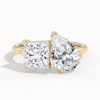
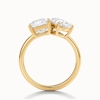
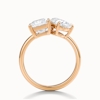
The texture of the metal surrounding a diamond can influence how a stone is perceived. A freshly polished platinum band has a mirror-like surface that reflects light, colours, and its surroundings, which can sometimes compete visually with the diamond.
A soft satin patina creates a more understated backdrop. By diffusing reflections, the finish allows the centre diamond to stand out with greater contrast and brilliance.
For some wearers, this subtle relationship between metal and diamond is one of the main reasons a platinum patina feels so desirable – it allows the diamond to remain the true focal point.







How metal alloys influence the rate of patina formation
Fine jewellery platinum is not made from pure platinum alone. Most platinum rings are crafted from a PT950 alloy, meaning they contain 95% pure platinum combined with 5% other metals to enhance durability and workability. The choice of alloy can influence how quickly a platinum patina develops.
Platinum mixed with metals such as ruthenium or cobalt creates a harder surface that is more resistant to scratching and can help retain a polished finish for longer. In contrast, platinum alloys containing iridium are softer and tend to develop a traditional, richer patina more quickly, giving the ring a distinctive aged character.
Take a look at our platinum guide for more information.
Caring for platinum patina
A platinum patina is part of the natural beauty of the metal, so caring for it is about maintaining its character rather than preventing change. Simple at-home care can help keep your ring looking refined while preserving the soft, satin finish that develops over time. Read on to discover how to care for platinum patina or take a look at our guide covering how to clean diamond rings by metal type for an overview.
Clean with soap and warm water
To keep your ring looking refined, clean it regularly with warm water, a small amount of mild soap, and a soft-bristled toothbrush. Gently brush around the platinum surface and any stone settings to remove everyday oils, lotion residue and buildup that can dull the platinum’s natural glow.
Buff with a microfibre cloth
Use a clean microfibre cloth to lightly buff your platinum patina ring between washes. A gentle polish can lift away fingerprints, smudges and surface oils while preserving the soft, satin texture that develops as the patina matures. Avoid aggressive rubbing, as the goal is to maintain the ring’s character rather than restore a brand-new shine.
Protect your ring from harsh chemicals
Although platinum is highly durable and chemically inert, it is still best to remove your ring before handling harsh household cleaning products or swimming in chlorinated pools. Chemicals may not damage the platinum itself, but they can affect the diamond, finishes or settings over time.

How to remove patina from a platinum ring
If you prefer the original high-shine finish of a platinum ring, patina can be removed through professional polishing. A jeweller can restore the smooth, mirror-like appearance by carefully refinishing the surface.
However, polishing should not be carried out too frequently, as repeated polishing over many years can gradually thin the band or affect delicate details such as fine claws.
An alternative technique is burnishing, where a master jeweller uses a smooth tool to move displaced platinum back into place rather than removing metal. This helps refresh the surface while preserving the ring’s original weight and structure.
Book an appointment with Queensmith
Whether you prefer the timeless character of a naturally developed platinum patina or the refined brilliance of a freshly polished finish, platinum remains one of the most popular choices for engagement rings and wedding bands.
Its durability, natural white colour, and ability to evolve beautifully over time make it a metal designed to be worn and treasured for a lifetime.
Neither finish is better than the other. Some people are drawn to the soft, vintage-inspired appearance of a patinated platinum ring, while others prefer the crisp, mirror-like lustre of a newly polished surface. Ultimately, the right choice comes down to your personal style, lifestyle and how you want your ring to look as it becomes part of your story.
If you’re considering a platinum engagement ring, visit one of our Queensmith showrooms to explore different finishes in person, or speak with our design team about creating a ring tailored to your style, preferences, and the way you want your jewellery to age.


Don't know where to start?
Online or in-person, our jewellery experts will guide you through every step – giving you the confidence to feel great about your ring.
Platinum patina FAQs

Do you have additional questions? No problem, let us help you through the process
Platinum does not tarnish, rust, or turn yellow over time. Unlike white gold, which is naturally a warmer yellow colour and relies on rhodium plating to achieve its bright white appearance, platinum maintains its crisp white colour throughout its lifetime. A platinum patina is simply a change in texture and finish, not a colour change.
A platinum patina does not negatively affect the value of your ring. It is a natural characteristic of the metal and is considered part of platinum’s unique beauty rather than a sign of damage or wear. If you prefer a polished finish, the patina can also be professionally removed by a jeweller at any time.
The time it takes for a platinum ring to develop a patina depends on factors such as how often it is worn, your lifestyle and the specific platinum alloy used. For a ring worn every day, a soft satin finish can begin to appear within 6 to 12 months, usually developing first in high-contact areas such as the underside of the band.
Do you have additional questions? No problem, let us help you through the process